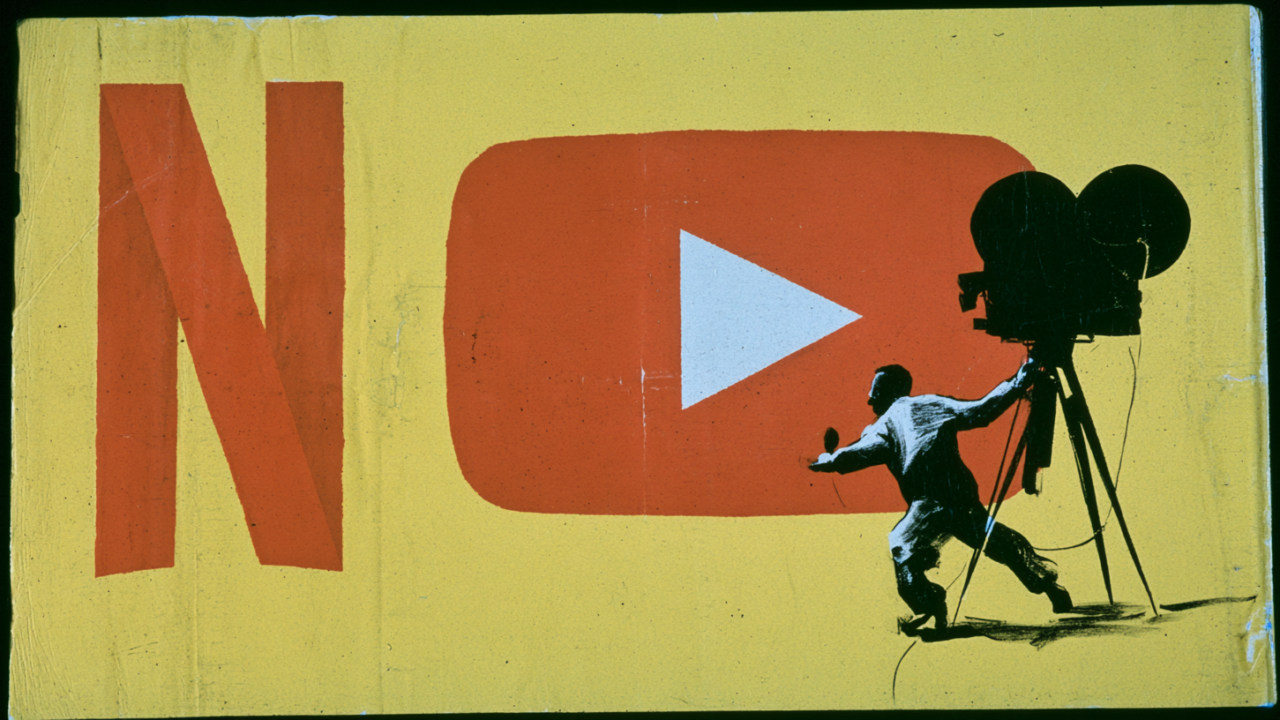
For online video teams and digital newsrooms, the fight carries real consequences. It marks a shift back toward platform-exclusive funding, and it comes as YouTube also raises the bar for who gets paid at all.
Financial incentives and production support
YouTube is using strong financial backing to convince top talent to stay put. The proposed packages include direct funding for show production and studio budgets. The platform is also offering creators a share of revenue from major platform-arranged brand and advertising partnerships.
These terms resemble traditional Hollywood development deals. A studio pays upfront production costs in exchange for exclusive distribution rights. For the creators themselves, guaranteed production funds remove the financial risk of launching ambitious, high-budget series. Instead of relying on ad revenue or chasing individual sponsorships, video teams can lock in stable financing from the platform.
The company used guaranteed payments years ago under its YouTube Originals program. It later spent millions in financial guarantees to lure popular streamers away from Twitch. Facing a new rival in Netflix, it is opening its checkbook once again to defend its core talent base.
The risks of cross-posting to Netflix
The video giant is warning creators about the risks of working with rivals. Company representatives have cautioned channels against cross-posting-releasing the same video on YouTube and Netflix simultaneously. They say this carries clear penalties, including the loss of platform marketing support.
Creators who distribute work across both services also risk exclusion from major industry events. They may lose access to lucrative advertising campaigns. The logic is simple: YouTube wants to protect its advertiser relationships. If top shows appear on Netflix on the same date, advertisers could start treating YouTube as a secondary home for premium video.
For independent producers, this poses a hard choice. Posting everywhere reaches wider audiences. But losing YouTube’s promotion and premium ad sales can quickly undercut a channel’s daily traffic and income.
Netflix’s aggressive talent acquisition
YouTube’s defensive push comes as Netflix targets internet-native video. The streamer has signed agreements with major digital creators such as Alan Chikin Chow and Nick DiGiovanni. These creators now post their videos concurrently on both YouTube and Netflix.
Netflix is also actively trying to license or acquire dozens of established online shows, including the celebrity interview series Hot Ones. Meanwhile, Sean Evans, the host of Hot Ones, is reportedly among the creators in exclusivity talks with YouTube. The platform war is squeezing talent from both directions.
This rivalry suggests the era of platform-agnostic distribution-where creators post the same video to every service-is shifting back toward walled gardens. For media companies and small publishers, that shift carries costs. Each new walled garden means separate uploads, separate ad systems, and less control over where audiences find the work.
There is another signal for newsroom managers to weigh. YouTube announced changes to its Partner Program taking effect February 1, 2027. New applicants will need 8,000 watch hours or 20 million Shorts views, roughly double today’s threshold. Top creators may be offered millions to stay. Everyone else faces a higher bar simply to earn money at all.
Written by Maciej Żemojcin using the Tribune Desk AI platform. Every claim in this article was fact-checked against its sources, and an editor read, edited and approved it before publication.