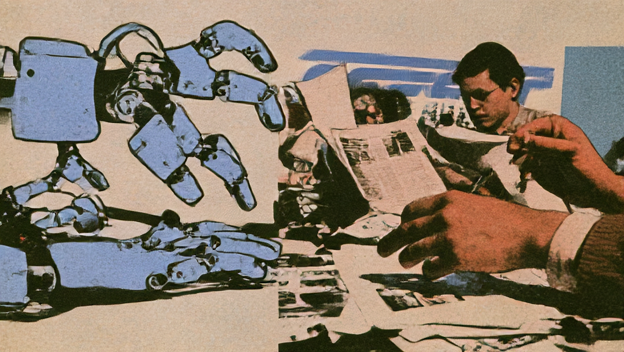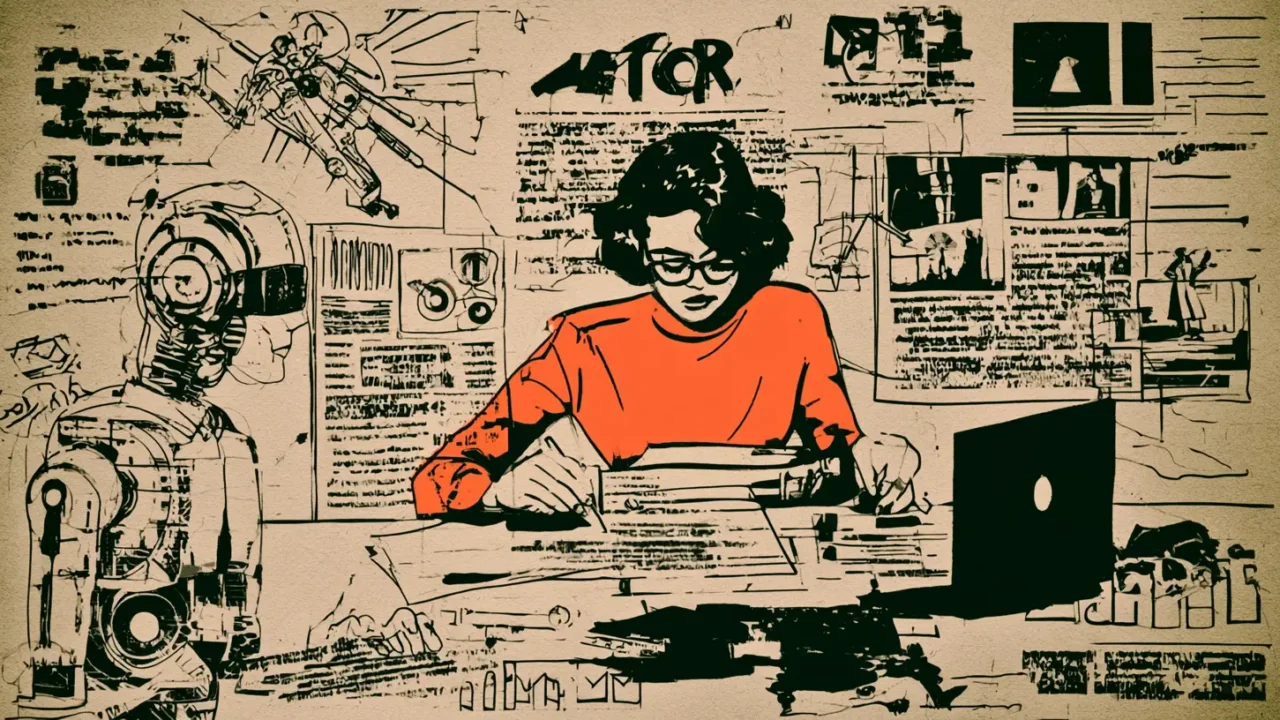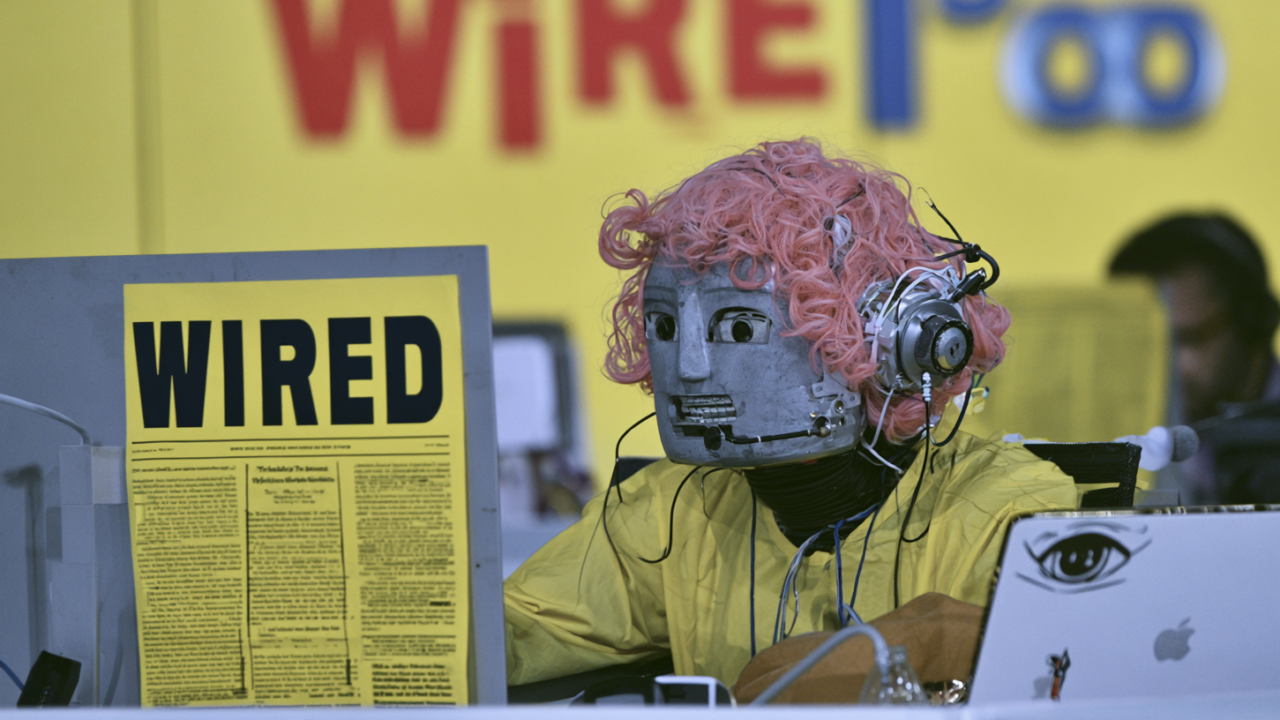
Both reports uncover the ways journalists establish their own lines on what AI should touch. WIRED reporter Maxwell Zeff published “Meet the Tech Reporters Using AI to Help Write and Edit Their Stories.” On the same day, Isabella Simonetti released a similar piece in the Journal, titled “An AI Upheaval Is Coming for Media.” Together, the two stories reveal an industry testing new boundaries in plain sight.
The three groups of newsroom automation
Newsroom work now falls into three groups: automate, co-pilot, or never use AI. End-to-end generation, where software handles the first draft before a human reviews it, belongs to the automate group. The co-pilot approach means real-time collaboration between writer and machine. For the never AI group, journalists like Taylor Lorenz keep writing fully human, using the tools only for business chores such as SEO and data tasks.
Nick Lichtenberg, an editor at Fortune, is a heavy user of these tools. Since July, he has produced over 600 stories by feeding headlines and source documents into AI models to generate raw drafts. He then rewrites the copy, checks every fact, and adds original reporting before publication. His editor notes that the final published work remains more than 50% Lichtenberg’s own writing.
Other newsrooms take a much more cautious path. Rather than generating finished prose, many reporters treat the technology as a fast research assistant. They use software to summarise source documents and transcripts. These tasks speed up production without handing editorial control over to an automated model.
Where individual journalists draw the line
Individual writers set their own rules for how far the software may touch their text. Jasmine Sun uses Anthropic’s Claude as a copy and developmental editor to refine her tone and sharpen her ideas. Sun told the software it must never write a sentence for her.
By contrast, independent tech writer Alex Heath uses AI more like a traditional rewrite desk on Substack. In a classic newsroom, a rewrite desk takes rough field reporting and polishes it into publishable copy. Heath lets software turn his notes into clean text so he can focus on breaking news. “I never did this because I liked being a writer. I like reporting, learning new things, having an edge,” said Heath.
Other journalists are building complex multi-step systems to review their work. New York Times columnist Kevin Roose created a custom network of Claude agents for a book editing project. In his setup, one primary agent serves as a Master Editor. Smaller sub-agents then handle specific tasks like fact-checking and style matching.
“I am not under some romantic illusion that I possess a special, irreplaceable perspective. But what I am is a person.” - Kevin Roose, technology columnist at the Times
Newsrooms are turning to AI because they are running out of money. Shrinking budgets and smaller staffs mean reporters use a mix of apps just to keep up with their daily work. Semafor editor-in-chief Ben Smith has discussed precisely this shift: the economics of journalism, trust in AI, and the move away from the Facebook-driven traffic era. As these personal workflows spread, the core value of journalism will come not from speed, but from the human accountability behind every reported fact.
Written by Dominik Czarnota using the Tribune Desk AI platform. Every claim in this article was fact-checked against its sources, and an editor read, edited and approved it before publication.